
The Art of Presence: Elevating Booth Construction for the Middle Eastern Market
The Middle East exhibition scene is unlike anything else in the world. From the grand halls of the Dubai World Trade Centre to the sprawling floors of the Abu Dhabi National Exhibition Centre (ADNEC) and the rapidly growing venues in Riyadh and Doha, the region has become a global powerhouse for trade shows, expos, and industry events. With billions of dollars in deals negotiated on these floors every year, your booth is not just a display – it is your brand’s most powerful business tool.
But here’s the challenge: everyone knows this. Competition is fierce. Walking through any major exhibition in the UAE, Qatar, or Saudi Arabia, you’ll see hundreds of stands all fighting for the same visitors, the same attention, and the same leads. So how do you win? The answer is creative booth construction that goes far beyond four walls and a logo.
Researching the Market: The Foundation of Success
Before a single board is cut or a 3D render is finalized, deep market research is essential. The Middle East is a mosaic of diverse nationalities and tastes. Understanding your specific target audience—whether they are local government officials in Riyadh or international tech investors in Dubai—is the first step.
Cultural norms play a massive role here. For instance, the concept of “Majlis” (a traditional sitting area) is vital for fostering the long-form conversations that Middle Eastern business culture prioritizes. Furthermore, analyzing your competitors isn’t just about seeing what they do right; it’s about identifying the “white space” in the exhibition hall. If every competitor is using clinical, white minimalist designs, perhaps your brand can stand out with warm, textured materials that evoke regional heritage.
Designing the Booth: Balancing Heritage and Modernity
In the Middle East, design is an opportunity to show respect for the host culture. Incorporating subtle elements like Islamic geometric patterns, “Mashrabiya” latticework, or calligraphy can create an instant emotional connection with local visitors.
Color palettes should be chosen with care. While gold and deep blues have historical prestige, modern Middle Eastern aesthetics are shifting toward sustainable materials and “desert chic” tones—think terracottas, sands, and lush greens.
The layout is equally critical. You must design for flow and interaction. Avoid “fortress” designs that block off the aisles. Instead, create an open, inviting perimeter with a tiered interior:
The Outer Zone: For quick digital interactions and lead scanning.
The Inner Zone: For product demonstrations.
The Private Zone: A comfortable, semi-private lounge for serious negotiations.
Using Technology: The Digital Handshake
To compete in hubs like the Dubai World Trade Centre, your booth must be “smart.” Traditional banners are no longer enough; digital signage and high-resolution LED walls are the baseline.
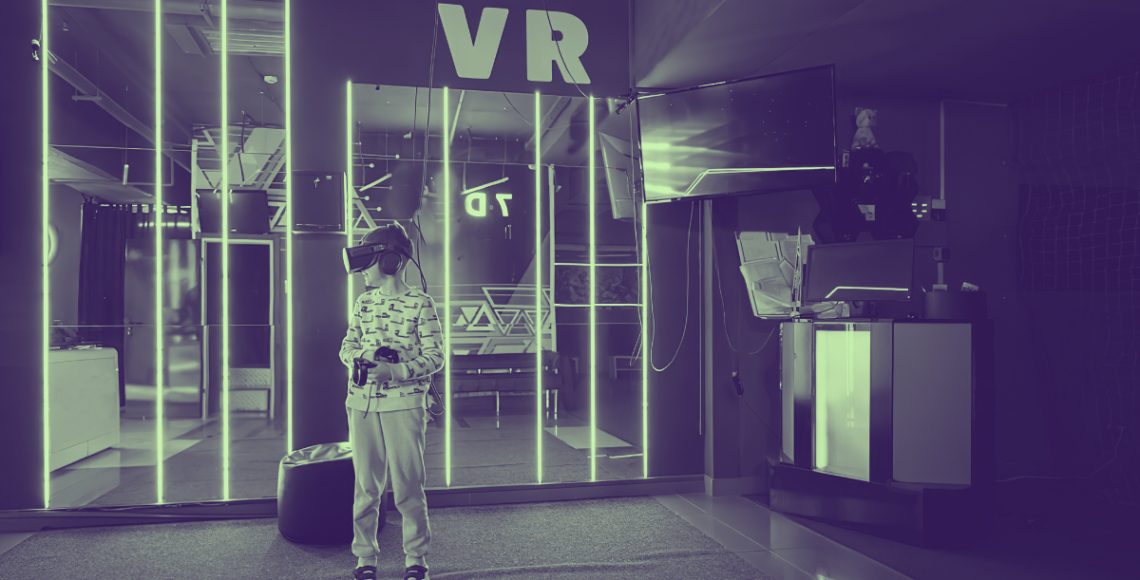
Interactive displays allow visitors to self-curate their experience, which is particularly helpful during peak hours when staff are busy. However, the true “wow factor” currently lies in Virtual Reality (VR) and Augmented Reality (AR). For companies in real estate, manufacturing, or logistics, VR allows you to transport a visitor from the exhibition floor directly to a project site or a factory floor, providing a sense of scale that physical models simply cannot match.
Engaging the Senses: Beyond the Visual
The most memorable booths are those that engage all five senses. In the Middle East, the “scent of the brand” is a powerful tool. Using subtle notes of oud, frankincense, or sandalwood can create a sophisticated atmosphere that lingers in a visitor’s memory long after they’ve left the hall.
Hospitality is a cornerstone of regional culture. Providing high-quality refreshments—such as premium dates, Arabic coffee (Gahwa), or bespoke mocktails—is not just a nice gesture; it is a sign of professional respect. Finally, consider the acoustic environment. While the hall is noisy, directional speakers can create “sound pockets” within your booth, playing ambient music or focused audio that enhances the immersion without contributing to the overall chaos.
Staff Training: The Human Element
Your booth is only as effective as the people standing in it. In the Middle East, etiquette is paramount. Staff should be trained in regional norms, such as the importance of handshakes (and when they are appropriate), the significance of hierarchy, and the art of small talk before “talking shop.”
Provide your team with clear talking points, but encourage them to be listeners first. They should be deeply knowledgeable about the technical aspects of your product, as Middle Eastern clients often ask highly specific, detailed questions during the first meeting.
Post-Event Follow-Up: Closing the Loop
The exhibition doesn’t end when the lights go out. The true value of booth construction is realized in the data collected. Use integrated lead-retrieval systems to categorize contacts by their level of interest.
The “Golden Rule” of the Middle East is the personalized follow-up. Avoid generic automated emails. Instead, reference a specific part of the conversation you had at the booth. In this region, business is built on relationships, and a personalized message sent within 48 hours of the event proves that you value the connection. Analyze which parts of the booth (the VR station, the lounge, the demo desk) saw the most traffic to refine your strategy for the next show.
Conclusion
In the competitive landscape of the Middle Eastern exhibition industry, a booth is far more than a physical structure—it is a three-dimensional representation of your brand’s commitment to the region. By blending cultural respect with high-tech innovation and sensory engagement, you create more than just a stand; you create an experience.
As you look toward your next event, remember that the most successful exhibitors are those who start planning early, prioritize the visitor’s comfort, and never underestimate the power of a well-poured cup of coffee and a meaningful conversation. Reach out to a specialist booth builder today to turn these concepts into your next award-winning presence.
